




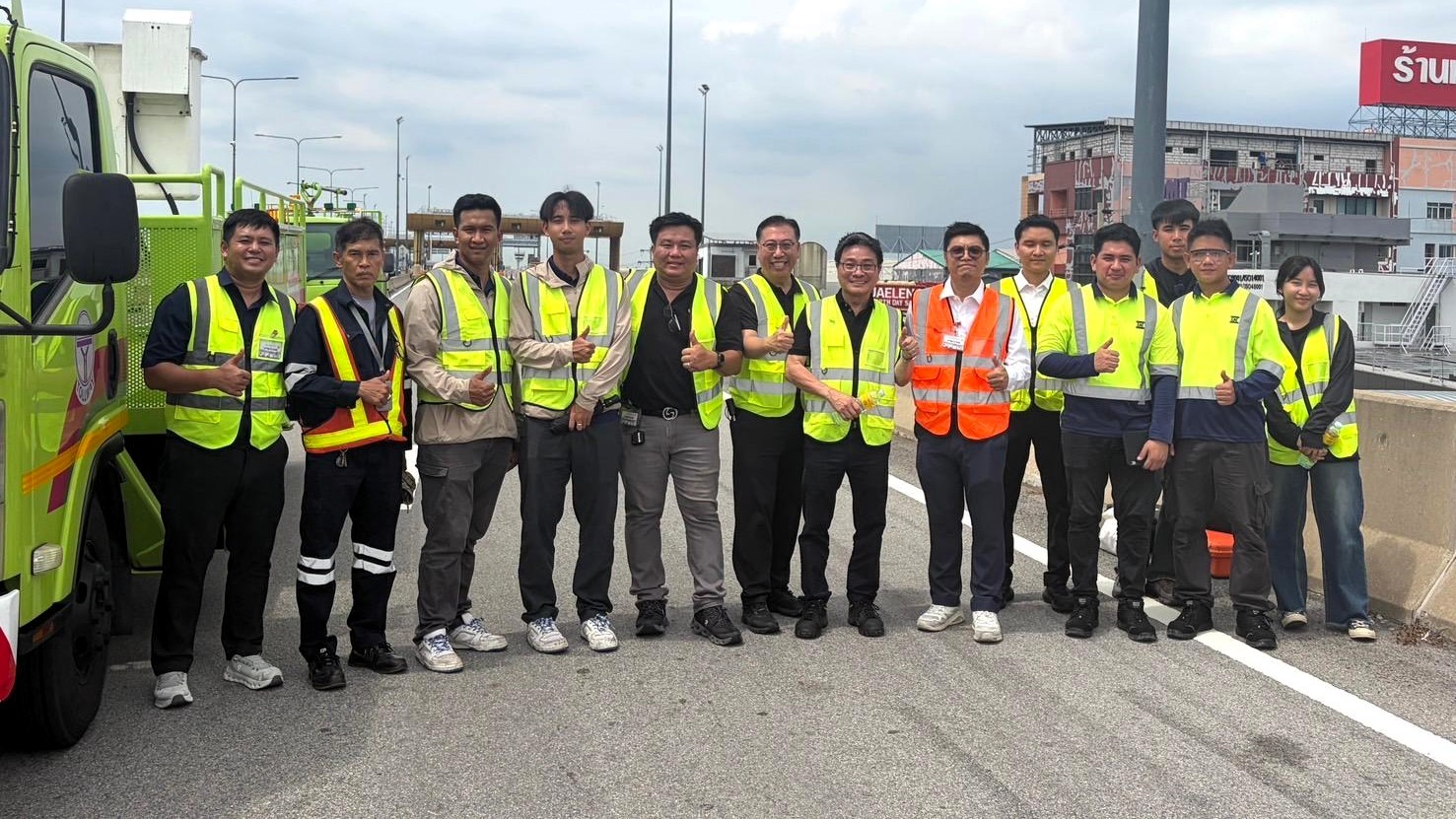
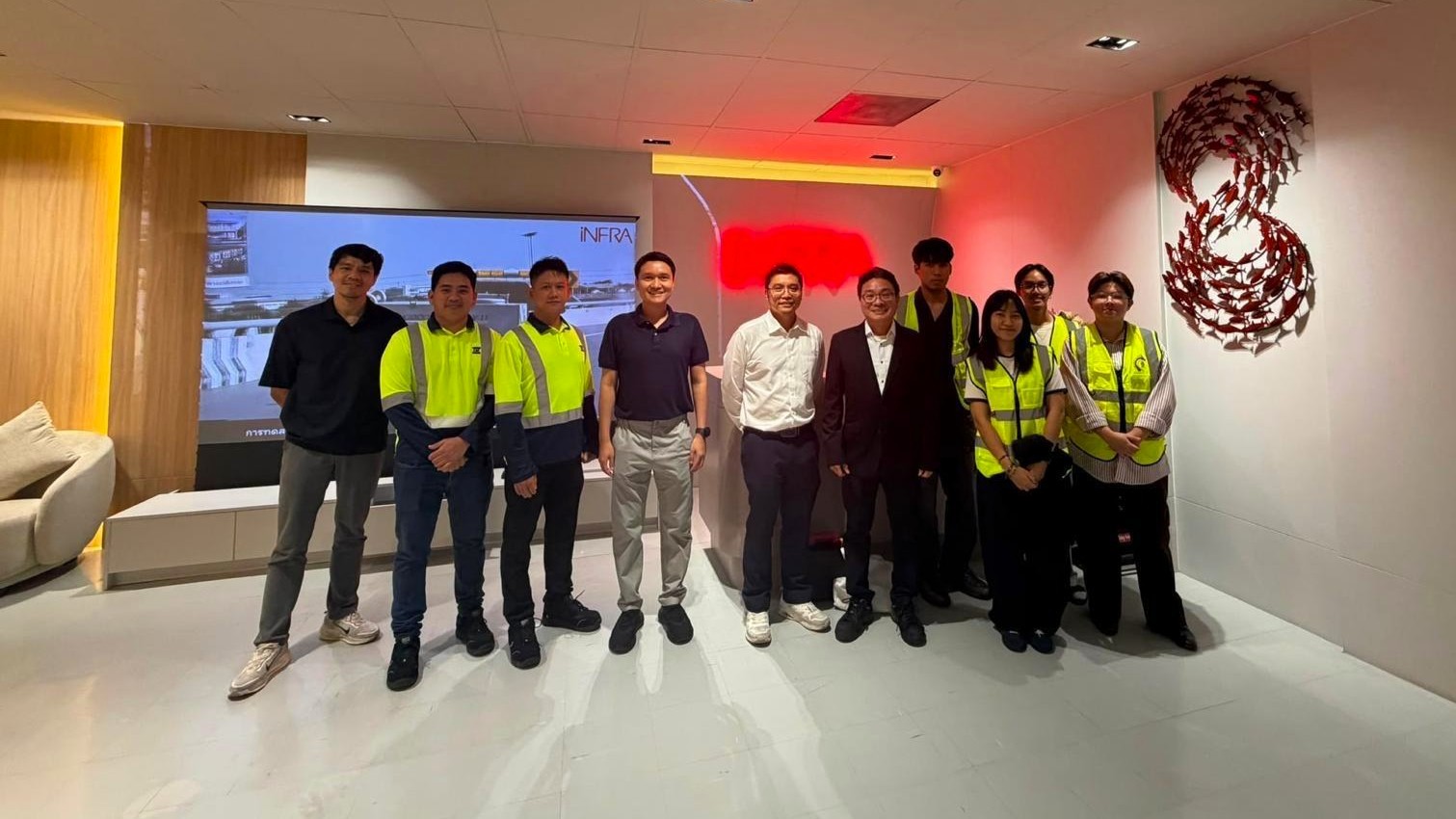
3-8 August 2026, Bangkok
Time-Based Inspection vs Condition-Based Inspection
Across the infrastructure and asset management sectors, many asset owners are moving from traditional time-based inspection regimes towards condition-based inspection—a shift driven by the need for greater certainty over asset condition, improved safety, and more effective lifecycle management.
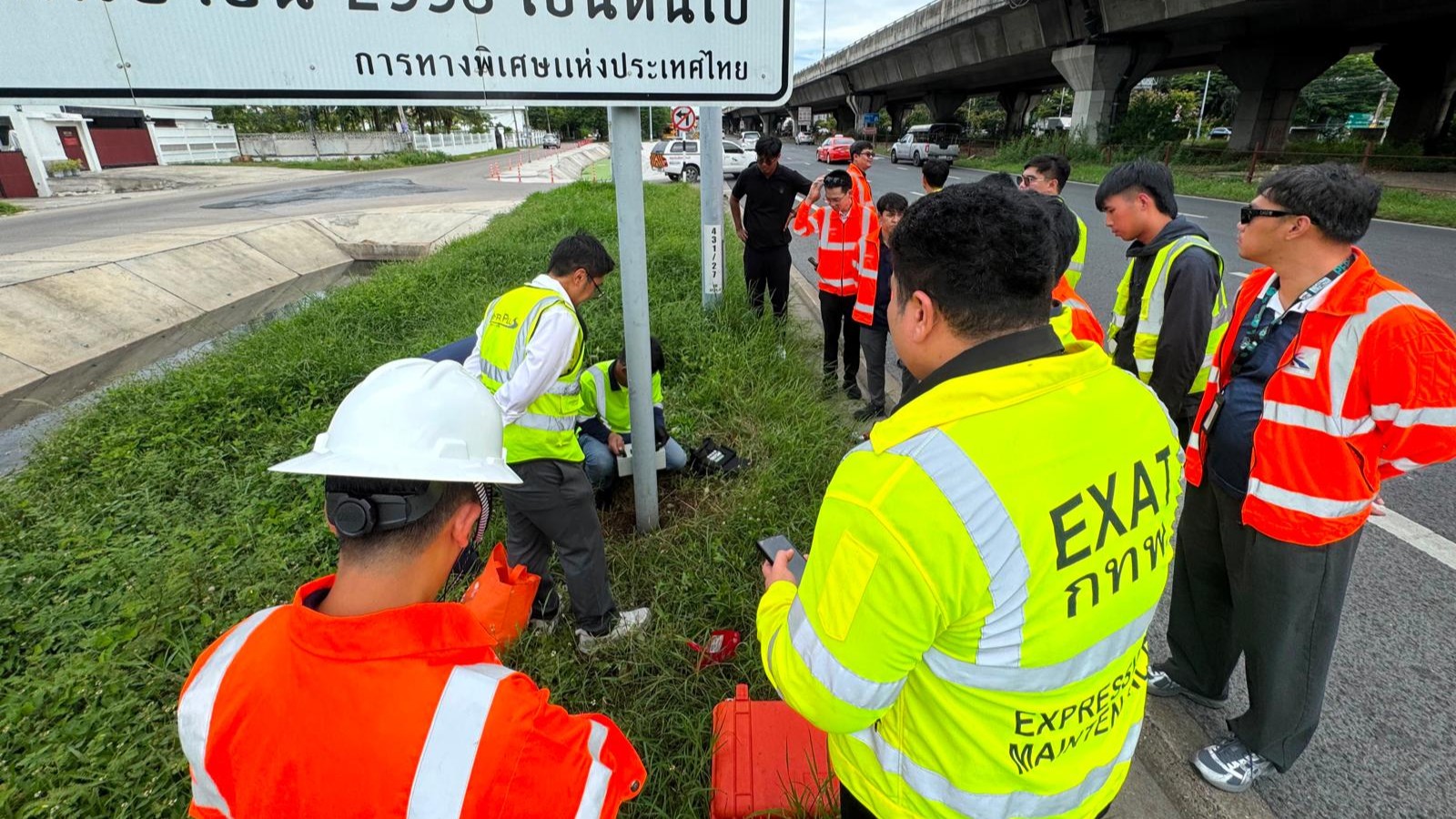
Visual inspection remains an important part of routine maintenance, but hidden deterioration can develop below ground level, within embedded sections of a structure, or hairline cracks in flanged structures, where it may not be readily visible. An asset may therefore appear satisfactory during a visual inspection while deterioration continues unseen.
Condition-based inspection addresses this uncertainty by assessing what matters most—the actual condition of the asset.
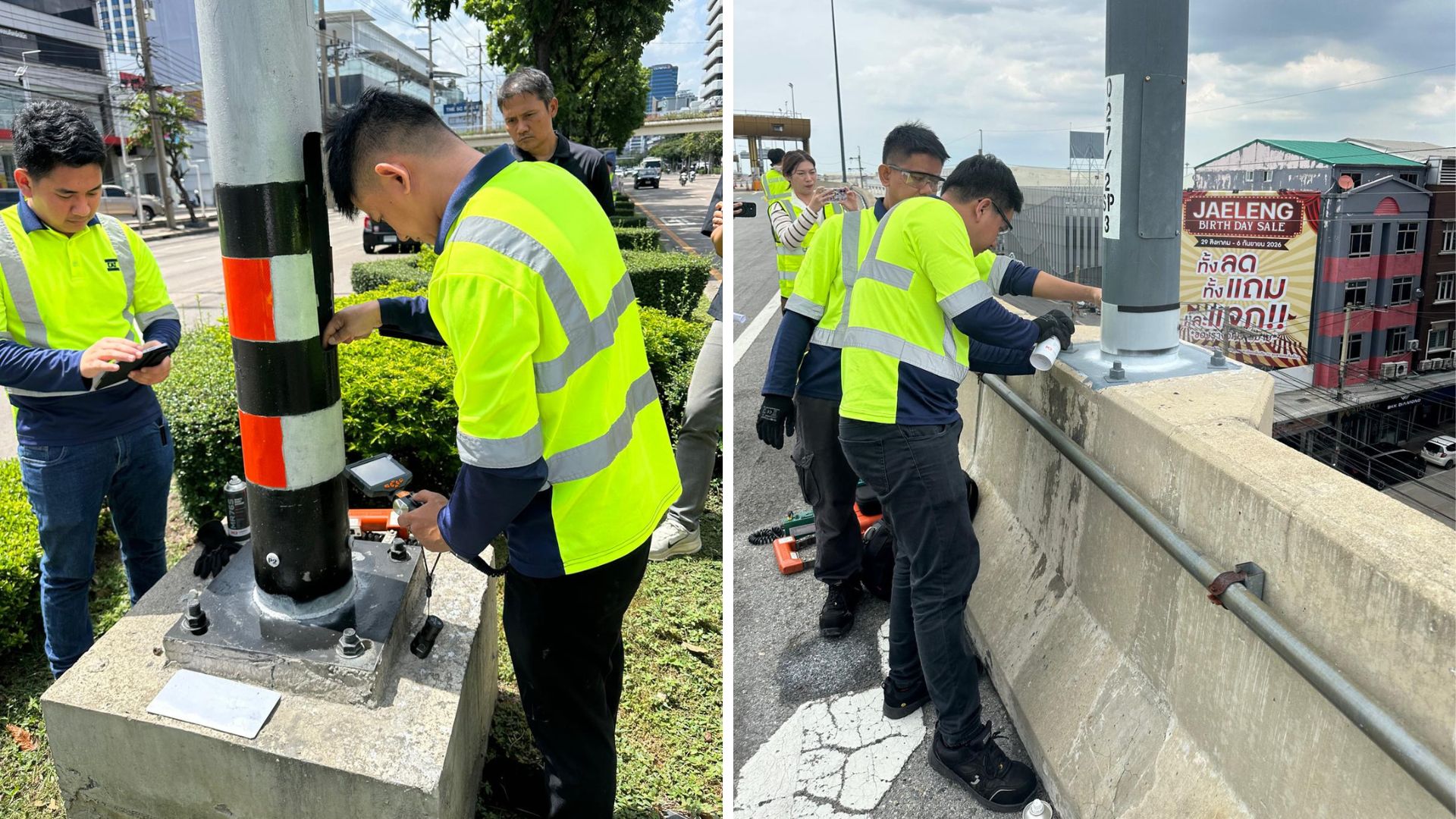
Supported by scientifically validated non-destructive testing (NDT), asset owners can obtain objective information on the condition of each pole and use that evidence to determine the appropriate maintenance action and future inspection interval.
The benefits are practical and significant. Severely deteriorated poles can be identified early and prioritized for intervention, while poles confirmed to be in satisfactory condition can remain safely in service and be scheduled for retesting at an appropriate condition-based interval. This reduces unnecessary frequent inspections and helps avoid premature replacement of serviceable assets.
For asset owners, condition-based inspection provides greater confidence in answering three critical questions:
Is the asset safe? Does it require intervention? When should it be inspected again?
CMT’s NDT approach supports these decisions through a methodology backed by long-term field implementation, independent third-party validation, accreditation, and extensive inspection data.
The objective is therefore not to inspect more frequently, but to inspect more intelligently—directing maintenance resources and capital expenditure to where they are genuinely needed.
Enhance safety. Reduce uncertainty. Optimize lifecycle costs.
The principle is simple:
Asset condition—not asset age, appearance, or the calendar—should drive maintenance decisions.
That is the fundamental shift from time-based inspection to condition-based asset management.

